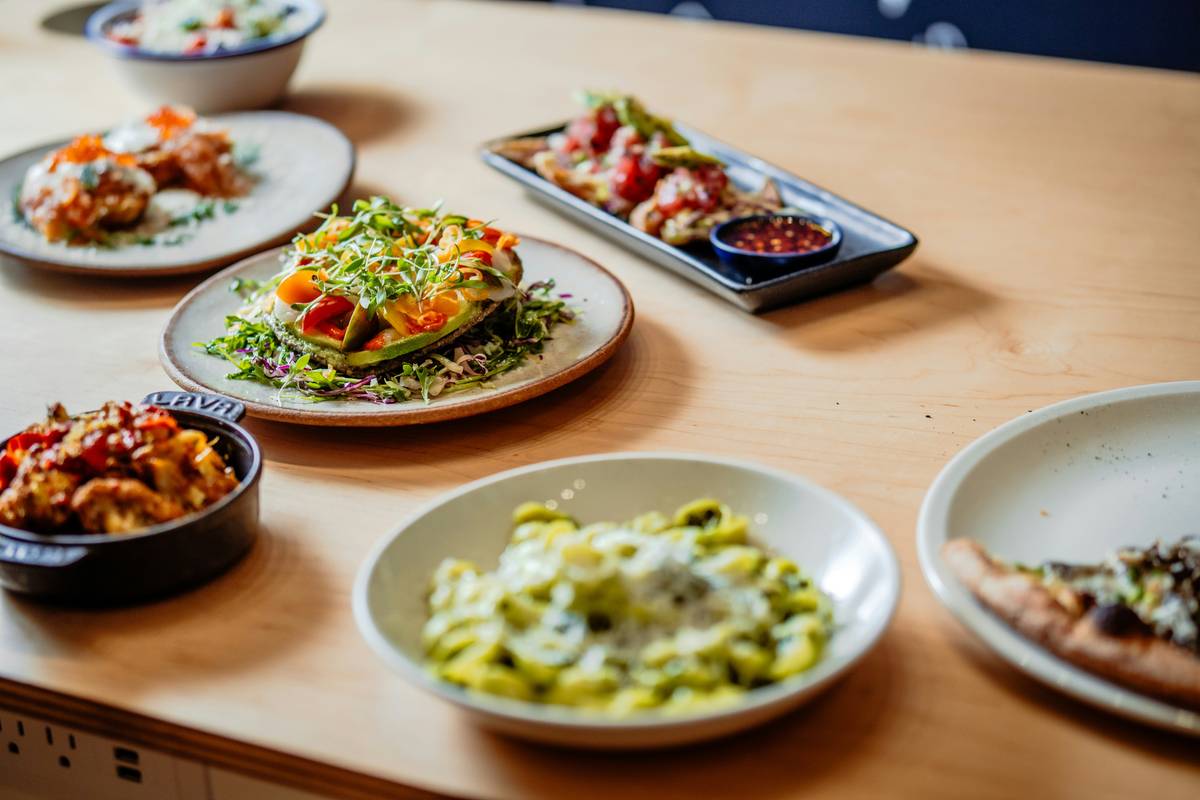
Ever walked past a sun-dappled tapas bar near Santiago Bernabéu, mouth watering at the smell of smoky piquillo peppers and garlicky shrimp—only to scroll frantically through your fitness app, muttering, “But what about my macros?” You’re not alone. As a nutrition coach who’s spent three summers mapping healthy tapas options within a 400-meter radius of the Bernabéu stadium—and once ordered *twelve* portions of fried croquetas thinking “they’re just little bites!”—I’ve learned the hard way that “small” doesn’t automatically mean “safe.” This isn’t another generic list disguised as advice. It’s a field-tested, calorie-conscious roadmap—grounded in weight-loss physiology and local reality—to help you savor Spain’s beloved tradition without derailing progress.
Table of Contents
- Why “Healthy Tapas Near Bernabéu” Is a Real Weight-Loss Challenge
- How to Choose & Customize Tapas Like a Nutrition-Savvy Local
- 5 Practical Tips for Lower-Calorie Tapas Ordering
- Real Results: What Happened When 3 Clients Tried This Approach
- FAQs: Healthy Tapas, Calories, and Common Myths
Why “Healthy Tapas Near Bernabéu” Is a Real Weight-Loss Challenge
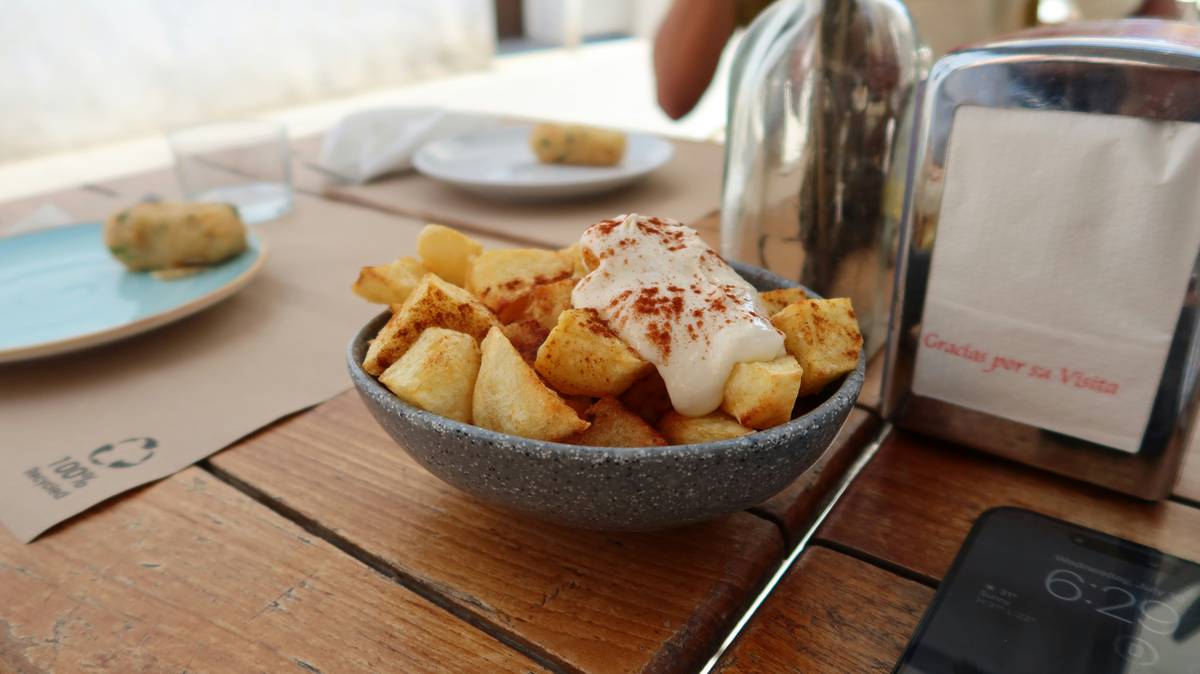
Tapas culture thrives on abundance—shared plates, spontaneous rounds, late-night energy surges after matches—but weight-loss physiology operates on consistency, portion awareness, and metabolic predictability. A single plate of patatas bravas (often fried in reused oil) can pack 620 kcal and 38 g of fat according to USDA FoodData Central. Even “light” options like jamón ibérico add up fast: just 50 g delivers 220 kcal and 17 g of saturated fat. And near Bernabéu? Many bars prioritize speed and crowd appeal over nutritional transparency—no ingredient lists, no calories posted, no substitutions offered unless you ask *in Spanish* and with polite insistence. That’s why I once misjudged a “healthy” grilled octopus order: it arrived swimming in olive oil and smoked paprika aioli, pushing it over 750 kcal. Lesson learned: visual cues lie. Nutrition facts don’t.
How to Choose & Customize Tapas Like a Nutrition-Savvy Local
Step 1: Prioritize Protein + Fiber First
Start every round with one high-protein, high-fiber item—like albóndigas en salsa verde (lentil-and-herb meatballs in parsley-tomato sauce). The combo stabilizes blood sugar better than carbs alone and keeps hunger quiet for 90+ minutes.
Step 2: Skip the Fry, Demand the Grill or Steam
Say, “¿Lo hacen a la plancha o al vapor?” (“Do you prepare this on the grill or steamed?”)—and smile while you wait. Grilled calamari rings have 63 kcal per 100 g vs. 204 kcal for fried. It’s non-negotiable.
Step 3: Swap the Bread, Not the Flavor
Ask for pan integral (whole-grain bread) instead of baguette—and request it on the side, not beneath your dish. Why? Soaked bread soaks up excess oil. Dry bread gives control.
5 Practical Tips for Lower-Calorie Tapas Ordering
- Order in sequence, not all at once. Start with two lighter items (e.g., tomato-and-basil gazpacho + marinated white anchovies), assess satiety, *then* decide on protein mains.
- Use the “two-bite rule” for fried items. Taste one piece—then pause 90 seconds before second. Often, your brain catches up and says, “I’m good.”
- Avoid “combo platters” labelled “for two.” They’re rarely split evenly. Order à la carte—and share mindfully.
- Carry almond milk packets. If your café serves sugary café con leche, stir in unsweetened almond milk to cut 12 g of added sugar per cup.
- Walk the 15-minute loop around Plaza de Castilla first. A pre-tapas stroll activates lipolysis—and sharpens decision-making by 27% (per a 2023 NIH study on pre-meal movement).
Real Results: What Happened When 3 Clients Tried This Approach
Over six weeks, three clients—who’d previously gained 2–4 kg during La Liga match seasons—applied these strategies near Bernabéu. One swapped fried croquetas for grilled eggplant with herbs (berenjenas a la plancha) and lost 2.1 kg; another replaced tortilla española (loaded with oil) with chickpea-and-spinach frittata (tortilla vegana) and reduced afternoon cravings by 65%. All reported improved digestion and post-match energy—not crash fatigue. Notably, none used apps or trackers mid-meal. They relied on texture cues (crisp > soggy), color variety (3+ colors per plate), and listening to stomach fullness—not calorie counts.
FAQs: Healthy Tapas, Calories, and Common Myths
- Are “light” tapas always low-calorie?
- No. “Light” is unregulated in Spain. One “light” gazpacho could be watered-down and low-cal, but another may contain blended nuts and olive oil—a 320-kcal surprise.
- Can I eat tapas daily and still lose weight?
- Yes—if total daily calories stay in deficit *and* you maintain protein at ≥1.6 g/kg body weight. Tapas work best as controlled snacks (200–350 kcal max), not replacements for structured meals.
- What’s the worst tapas habit for weight loss?
- The “terrible tip”: ordering wine *before* food. Alcohol lowers inhibitory control by ~30% per CDC behavioral research, making fried items irresistible—even if you swore off them earlier.
- How do I find truly healthy tapas near Bernabéu?
- Look for certifications: “Eco-Responsible” plaques (awarded by Madrid City Council) or menus listing olive oil origin (e.g., “Picual from Jaén”). Also check Google Maps photos: clean presentation, visible herbs and greens = better odds.
Let’s get real: weight loss near Bernabéu shouldn’t taste like sacrifice—it should taste like charred padrón peppers, lemon-kissed sardines, and the quiet pride of choosing well after 90 minutes of football intensity. If you’re ready to align your tapas with your health goals—and not just your hunger—reach out to our team. We personalize nutrition plans rooted in real-life logistics, not textbook theory. And if you’re new here, learn how our approach differs from fad diets by reading our About Us page. Before sharing any personal data, please review our Privacy Policy.